
Farmhouse kitchens have remained popular for years because they offer something many homeowners want but few design styles consistently achieve—a balance between warmth, practicality, and timeless appeal. While painted white cabinetry often receives the spotlight, many homeowners are now choosing farmhouse stained kitchen cabinets to introduce richer textures, natural wood character, and greater visual depth.
This case study follows the transformation of an outdated kitchen into a welcoming farmhouse-inspired space. Rather than focusing solely on appearance, the renovation prioritized functionality, storage, durability, and everyday comfort. The project demonstrates how carefully selected stained wood cabinetry can modernize a kitchen while preserving the inviting atmosphere that defines farmhouse design.
The Situation
The original kitchen had served the homeowners well for many years, but it no longer supported their daily routine. The cabinetry showed visible wear, storage was difficult to organize, and the room felt darker than the rest of the home. Although the floor plan offered adequate square footage, inefficient cabinet layouts and aging finishes made the space feel smaller and less functional.
The homeowners wanted a kitchen that reflected the warmth of natural materials while improving organization and creating a brighter environment for cooking, entertaining, and family gatherings. Instead of following short-lived design trends, they preferred a timeless solution that would continue looking attractive for many years.
Initial Consultation
↓
Lifestyle & Storage Assessment
↓
Design Planning
↓
Material Selection
During the planning phase, the design team evaluated several aspects of the existing kitchen, including workflow, cabinet capacity, lighting conditions, and opportunities to improve circulation without dramatically altering the room’s footprint.
| Before | After (Project Goal) |
|---|---|
| Dark, outdated cabinetry | Warm farmhouse stained kitchen cabinets |
| Limited storage organization | Custom storage solutions |
| Poor task lighting | Layered lighting throughout the kitchen |
| Disconnected visual style | Cohesive farmhouse-inspired design |
Although cosmetic updates would have improved the appearance temporarily, the homeowners wanted the renovation to solve the underlying functional issues as well. That meant looking beyond cabinet finishes and evaluating how the kitchen performed as a complete workspace.
The Challenge
Designing around farmhouse stained kitchen cabinets required balancing traditional character with modern expectations. The homeowners loved the warmth of natural wood but wanted to avoid creating a kitchen that felt overly rustic or visually heavy.
Several objectives shaped the design process:
- Create a brighter and more welcoming atmosphere.
- Preserve the authentic look of stained wood cabinetry.
- Increase storage without expanding the kitchen.
- Select finishes that would remain stylish over time.
- Improve workflow between the sink, cooking area, and refrigerator.
- Choose materials that would withstand daily family use.
One of the biggest design decisions involved selecting the right wood tone. Dark stains offered dramatic contrast but risked making the room feel smaller, while very light finishes lacked the richness the homeowners associated with farmhouse interiors. A medium-toned stain ultimately provided the ideal balance, highlighting the natural wood grain while maintaining a warm, inviting atmosphere.
The team also carefully considered how the cabinetry would interact with countertops, backsplash materials, flooring, and lighting. Farmhouse kitchens rely on harmony rather than excess, so every finish needed to complement the wood instead of competing with it.
By the end of the planning stage, the renovation strategy had evolved beyond simply replacing cabinets. The project became a comprehensive effort to improve the kitchen’s functionality while preserving the timeless character that makes farmhouse design so enduring.
The Solution
After evaluating the homeowners’ priorities, the design team focused on creating a kitchen that blended classic farmhouse character with modern convenience. Rather than relying on decorative elements alone, every design decision supported both appearance and functionality.
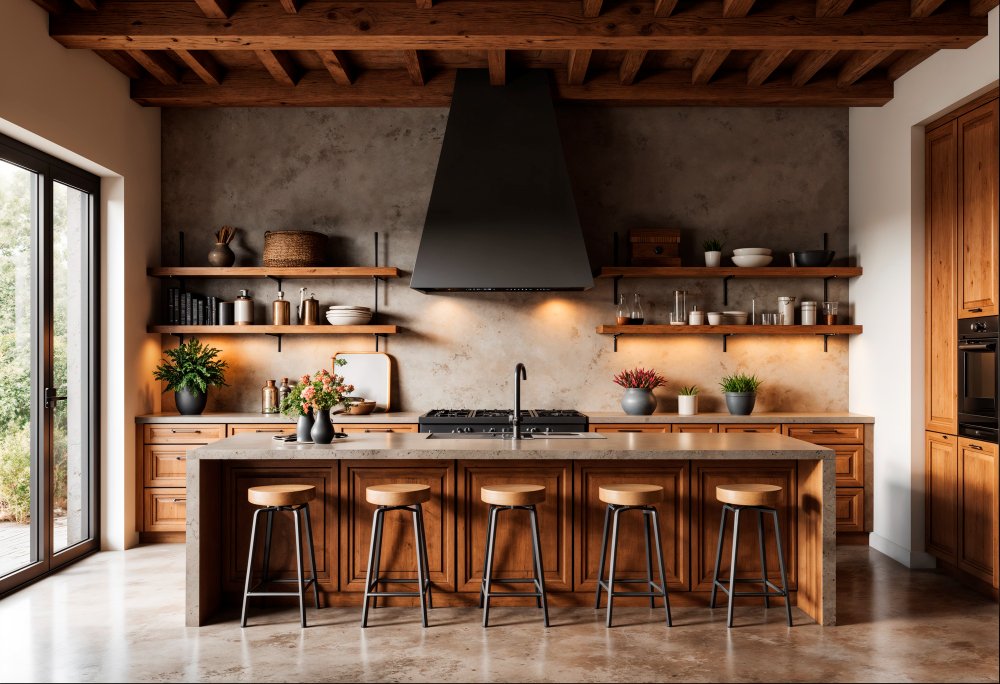
The centerpiece of the renovation became a set of carefully crafted farmhouse stained kitchen cabinets. A medium-toned wood stain was selected to showcase the natural grain while maintaining the bright, welcoming atmosphere the homeowners wanted. Unlike painted finishes that create a uniform appearance, stained cabinetry introduced subtle variation, giving the kitchen greater depth and authenticity.
To complement the warmth of the wood, lighter countertops were chosen to provide visual contrast and improve light reflection throughout the room. A simple backsplash with understated texture helped connect the cabinetry to the surrounding finishes without competing for attention.
Storage improvements became equally important. Existing cabinets were redesigned to better accommodate cookware, pantry items, and small appliances. Deep drawers replaced several lower cabinets, while pull-out organizers and custom shelving made everyday items easier to reach.
Cabinet Installation
↓
Countertop Installation
↓
Backsplash & Lighting Updates
↓
Hardware Installation
↓
Final Inspection
Lighting also played a significant role in the transformation. Layered illumination—including recessed ceiling fixtures, under-cabinet lighting, and decorative pendant lights above the island—reduced shadows and made food preparation more comfortable while enhancing the natural beauty of the stained wood.
Finishing details completed the farmhouse aesthetic without overwhelming the room. Matte black hardware added subtle contrast, while open shelving displayed carefully selected decorative pieces that reinforced the kitchen’s welcoming personality.
The Results
Following completion, the kitchen looked noticeably brighter, felt more organized, and functioned more efficiently during everyday use. Although the overall footprint remained unchanged, the thoughtful redesign significantly improved how the homeowners interacted with the space.
✓ Better storage organization throughout the kitchen
✓ Improved workflow between primary work zones
✓ Brighter cooking and preparation areas
✓ Warm, timeless farmhouse appearance
✓ Easier day-to-day maintenance and organization
The homeowners immediately noticed that routine kitchen tasks required fewer steps. Improved cabinet organization reduced countertop clutter, while strategically placed storage made frequently used items more accessible.
| Before | After |
|---|---|
| Limited cabinet organization | Customized storage solutions |
| Congested work areas | Improved workflow and circulation |
| Dark, dated finishes | Warm natural wood cabinetry with timeless character |
| Uneven lighting | Layered lighting for improved visibility and ambiance |
Perhaps the most meaningful result was the way the kitchen supported daily living. The room became more inviting for family meals, easier to maintain, and better suited for entertaining guests. Instead of simply appearing newer, the kitchen functioned as a more comfortable and efficient living space.
Key Lessons
This project demonstrates that successful farmhouse kitchens depend on thoughtful planning rather than decorative trends alone. Several important lessons emerged from the renovation:
- Natural wood stains introduce warmth while preserving timeless character.
- Storage planning has a greater impact on daily convenience than increasing square footage.
- Layered lighting enhances both functionality and atmosphere.
- Simple, coordinated materials often create a stronger visual impact than elaborate finishes.
- Design decisions should support everyday living as much as aesthetic goals.
For homeowners considering farmhouse stained kitchen cabinets, this renovation illustrates how balancing craftsmanship, organization, and carefully selected materials can transform an outdated kitchen into a welcoming space that remains practical for years to come. Rather than chasing short-lived design trends, investing in timeless wood cabinetry and functional planning creates lasting value that homeowners continue to appreciate long after the project is complete.