

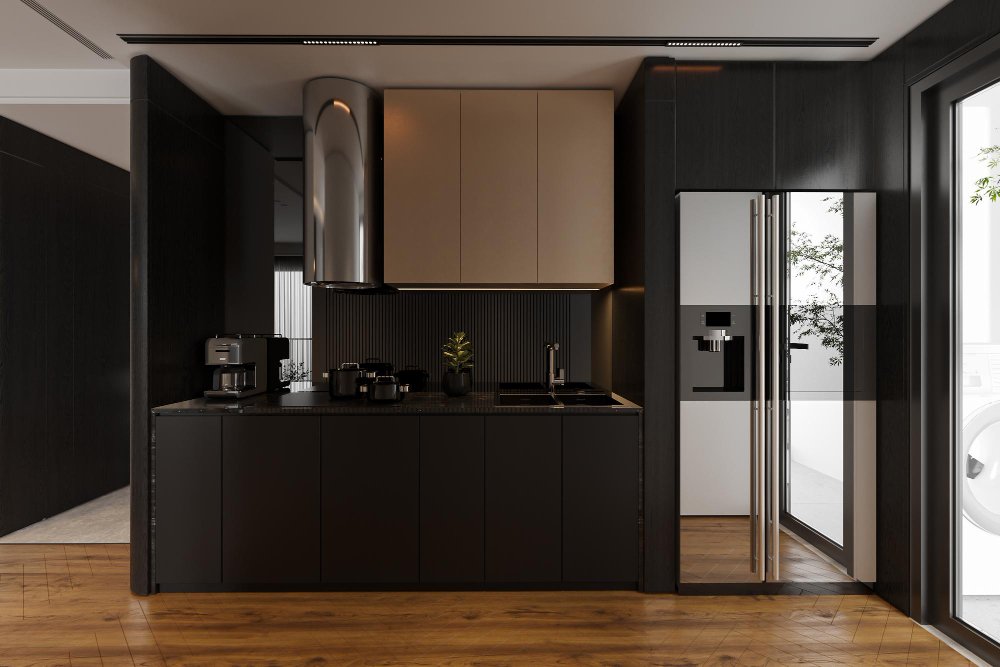
Choosing new countertops is one of the most exciting parts of a kitchen or bathroom remodel, but it can also feel overwhelming. With so many materials, colors, finishes, and edge profiles available, it’s easy to focus on appearance while overlooking factors like durability, maintenance, and long-term performance.
The good news is that selecting the right countertop doesn’t have to be complicated. By following a simple step-by-step process, you can narrow your options, compare materials more confidently, and choose a surface that complements both your lifestyle and your home’s design.
Whether you’re updating a busy family kitchen, creating a spa-inspired bathroom, or building a brand-new home, this guide will walk you through the key decisions that lead to a countertop you’ll enjoy for many years.
Step 1: Define How the Countertop Will Be Used
Before comparing materials or colors, take a moment to think about how your countertop will actually be used every day. A surface that performs beautifully in one home may not be the ideal choice for another.
For example, a family that cooks multiple meals each day may prioritize stain resistance and easy maintenance, while someone designing a guest bathroom might focus more on appearance than heavy-duty durability. Understanding your daily routine helps narrow your options before you begin shopping.
Start by answering these questions:
- Which room will the countertop be installed in?
- How much daily use will it receive?
- Will it regularly be exposed to heat, moisture, or food preparation?
- How much maintenance are you willing to perform?
- What is your overall remodeling budget?
Thinking through these factors early often prevents costly changes later in the project.
Choose your countertop material based on how you live before choosing it based on color. A surface that fits your daily routine will continue to satisfy you long after design trends have changed.
Another consideration is your long-term plan for the home. If you expect to stay for decades, investing in premium materials may provide years of enjoyment. If you’re preparing the property for resale, selecting a durable, broadly appealing countertop can help attract future buyers.
Step 2: Compare Countertop Materials and Finishes
Once you’ve established how the countertop will be used, it’s time to compare the available materials. Every option offers a unique combination of appearance, maintenance requirements, durability, and cost.
Quartz has become one of today’s most popular countertop materials because it combines impressive durability with minimal maintenance. Its nonporous surface resists stains, does not require sealing, and is available in a wide variety of colors and patterns.
Granite remains a favorite for homeowners who appreciate natural stone. Every slab is unique, offering distinctive veining and mineral patterns that create one-of-a-kind kitchens and bathrooms. With proper sealing and routine care, granite provides excellent long-term performance.
Marble is admired for its timeless elegance and luxurious appearance. Although it requires more maintenance than some alternatives, many homeowners believe its natural beauty is well worth the additional care.
Quartzite combines the character of natural stone with impressive durability. It offers excellent resistance to heat while delivering dramatic natural patterns that resemble marble in many applications.
Solid surface countertops provide seamless installations with integrated sinks and easy repairability, making them attractive for homeowners who value smooth, continuous surfaces.
Laminate continues to improve thanks to advances in manufacturing. Modern designs can replicate the appearance of stone and wood while offering one of the most budget-friendly countertop solutions available.
Porcelain is becoming increasingly popular because of its exceptional resistance to heat, stains, scratches, and UV exposure, making it suitable for both indoor and outdoor applications.
Butcher block introduces warmth and natural texture into kitchens. While it requires periodic maintenance, many homeowners appreciate its welcoming appearance and ability to age gracefully.
As you compare materials, keep this checklist handy:
- ✓ Compare maintenance requirements before making a decision.
- ✓ Ask whether the surface requires periodic sealing.
- ✓ View full-size slabs whenever possible instead of relying on small samples.
- ✓ Consider resistance to stains, scratches, heat, and moisture.
- ✓ Review manufacturer warranties and recommended care instructions.
⚠ Never choose a natural stone countertop based solely on a small display sample. Veining, color movement, and pattern variation often become much more dramatic across a full slab.
At this stage, you’ll likely discover two or three materials that fit both your design vision and your practical needs. The final decision comes down to balancing appearance, maintenance, durability, and budget—topics we’ll explore in the next step as we prepare for fabrication and installation.
Step 3: Finalize Measurements, Edges, and Installation
By this point, you’ve narrowed your material choices and have a clear vision for your new countertop. The final step is making sure every measurement, finish, and installation detail is carefully planned. Even the highest-quality material can fall short if it isn’t fabricated and installed correctly.
Before fabrication begins, confirm that your cabinets have already been installed, properly secured, and leveled. Countertops are manufactured using precise measurements, so any cabinet adjustments made afterward can affect the final fit.
Work through the following checklist before giving final approval:
- Confirm cabinet installation and levelness.
- Select the countertop thickness that complements your design.
- Choose an edge profile that matches your style.
- Finalize sink, faucet, and accessory locations.
- Review seam placement and overhang dimensions.
- Schedule professional templating before fabrication.
- Prepare the room for installation day.
Thickness is one of the first decisions you’ll make. While 2 cm slabs remain popular for certain applications, many homeowners prefer 3 cm countertops because they create a more substantial, high-end appearance while often requiring less additional support.
Edge profiles also deserve careful consideration. A simple eased edge complements modern kitchens, while beveled, bullnose, or ogee profiles introduce more traditional character. The edge may seem like a small detail, but it contributes significantly to the countertop’s overall personality.
Sink selection should be finalized before fabrication as well. Undermount sinks create clean, uninterrupted surfaces that simplify countertop cleaning, while drop-in sinks may offer easier installation for certain remodeling projects. Faucet locations, soap dispensers, filtered water taps, and other accessories should all be included during templating to avoid modifications later.
If your project includes a large island or long countertop runs, discuss seam placement with your fabricator. Experienced professionals position seams where they are both structurally sound and visually discreet.
Finally, don’t overlook the backsplash. Whether you choose a full-height slab, matching material, or decorative tile, coordinating the backsplash with your countertops creates a more polished and cohesive finished design.
Creating a Countertop You Will Enjoy for Years
Choosing the right countertops isn’t about finding the most expensive material or following the latest design trend. It’s about selecting a surface that fits your lifestyle, complements your home, and continues performing beautifully long after the remodel is complete.
By following a simple process—understanding how the countertop will be used, comparing materials carefully, and planning every installation detail—you can make decisions with confidence instead of uncertainty.
Remember these key takeaways:
- ✓ Match the material to your daily routine.
- ✓ Compare maintenance requirements before appearance alone.
- ✓ View full slabs whenever possible.
- ✓ Plan edge profiles, sinks, and backsplashes together.
- ✓ Invest in professional templating and installation.
Quality fabrication and installation are just as important as selecting the right material. Precise measurements, properly supported cabinetry, and experienced craftsmanship help ensure your new countertops perform exactly as intended.
Finally, evaluate the entire project cost rather than focusing solely on the price per square foot of the material. Fabrication, edge treatments, cutouts, installation, warranties, and long-term maintenance all contribute to the overall value of your investment.
When you balance durability, appearance, functionality, and expert installation, you’ll create countertops that not only enhance your kitchen or bathroom today but continue adding comfort, beauty, and value for many years to come.