
Choosing a siding color seems simple until you see the finished home. A color that looked perfect on a small sample may appear completely different across an entire exterior. Sunlight, roofing, landscaping, and neighboring materials all influence how the finished color is perceived.
Cobblestone Vinyl Siding has become a popular choice because it offers a balanced neutral tone that complements a wide variety of architectural styles. It is warm enough to avoid the cold appearance of many gray exteriors while remaining versatile enough to pair with stone, brick, wood accents, and modern trim colors.
However, even a timeless color can produce disappointing results if it is combined with the wrong materials or selected without considering the home’s surroundings. Understanding the most common design challenges helps homeowners create an exterior that remains attractive for years instead of following short-lived trends.
The Problem: Choosing the Wrong Exterior Color
Many exterior remodeling projects begin with excitement but end in frustration because homeowners choose siding based on appearance alone. A small color sample viewed indoors rarely represents how thousands of square feet of siding will look under changing daylight conditions.
Unlike paint, siding is a long-term investment. Replacing it because the color feels too dark, too cool, or poorly coordinated with the roof can become both expensive and time-consuming.
Many homeowners select siding after viewing only a small sample indoors. Once installed, the color may appear significantly lighter, darker, warmer, or cooler because sunlight, surrounding materials, and the home’s orientation change how the eye perceives it.
Several factors often contribute to disappointing results:
- Roofing materials overpower the siding color.
- Trim creates too much or too little contrast.
- Stone veneer introduces conflicting undertones.
- Landscaping changes the overall color balance.
- Popular trends quickly begin to look dated.
These issues are especially noticeable with neutral colors because subtle undertones become more visible across large exterior surfaces.
Why It Happens
The appearance of Cobblestone Vinyl Siding is influenced by much more than the siding itself. Every permanent exterior material interacts with the color, creating either a cohesive design or visual conflict.
Natural light is one of the biggest influences. Morning sunlight often reveals warmer beige undertones, while overcast skies can make the same siding appear cooler and more gray. South-facing elevations typically receive stronger sunlight than north-facing walls, causing the color to look different on various sides of the home.
Roof color also changes how siding is perceived. Dark charcoal shingles create greater contrast and help Cobblestone appear lighter and more refined. Medium brown roofing can emphasize the siding’s warm undertones, while weathered gray roofs often produce a softer, more contemporary appearance.
Even nearby landscaping affects the finished result. Mature trees introduce green reflections, while stone walkways, patios, and neighboring homes can subtly influence how neutral siding colors are perceived throughout the day.
Finally, trim selection plays a larger role than many homeowners expect. Bright white trim creates crisp architectural definition, while softer cream or warm white trim produces a more traditional, welcoming appearance. Black windows and dark front doors add contrast, but using too many dark accents can overwhelm the neutral foundation that makes Cobblestone so versatile.
- Cool gray siding selected from a small sample.
- Black roof with bright white trim.
- Multiple accent colors competing for attention.
- The exterior feels cold and visually disconnected.
After
- Cobblestone Vinyl Siding selected after viewing large outdoor samples.
- Charcoal roof complements the warm neutral tone.
- Warm white trim creates balanced contrast.
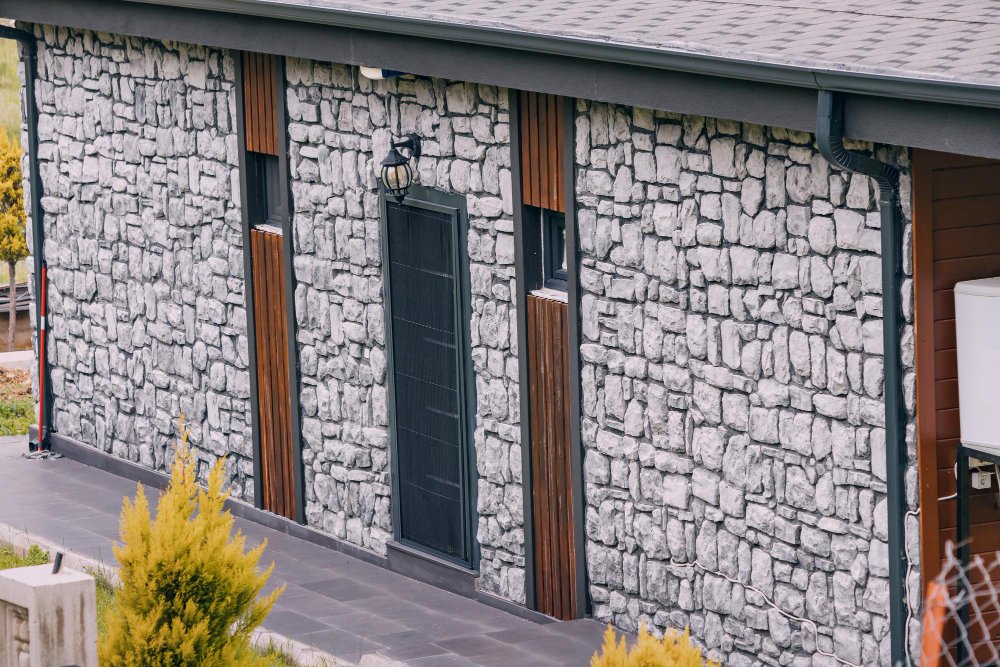
- Natural stone accents unify the overall design.
- The exterior feels timeless, cohesive, and welcoming.
Understanding how light, roofing, trim, and surrounding materials interact before installation helps homeowners make more confident decisions and avoid costly design changes later in the remodeling process.
Common Mistakes When Selecting Cobblestone Vinyl Siding
Even though Cobblestone Vinyl Siding is one of the most versatile neutral siding colors available, homeowners can still undermine its timeless appeal by overlooking a few key design principles. Most problems stem from treating siding as an isolated element rather than part of a complete exterior palette.
The most common mistakes include:
- Choosing trim without considering the siding’s warm undertones.
- Pairing the siding with a roof that creates excessive visual contrast.
- Mixing several accent materials with competing colors.
- Ignoring how landscaping affects the overall appearance.
- Selecting trendy accent colors that may quickly become outdated.
Adding multiple competing accent colors often weakens the clean, timeless appearance that makes neutral siding so effective. Too many contrasting materials create visual clutter instead of architectural balance.
Another frequent mistake is overlooking fixed exterior elements. Roofing, stone veneer, brick, driveways, garage doors, and landscaping are expensive to replace, so the siding color should complement these permanent features rather than compete with them.
Successful exterior design depends on restraint. A carefully coordinated palette of siding, trim, roofing, and one or two accent materials typically creates a more refined appearance than combining numerous colors and textures.
The Solution: Build a Balanced Exterior Palette
Instead of selecting colors independently, begin with the permanent materials that will remain in place for many years. Roof shingles, stone veneer, brick, and hardscape features should guide the overall color direction.
Once those elements have been evaluated, Cobblestone Vinyl Siding can serve as the neutral foundation for the rest of the exterior.
Design combinations that consistently create balanced results include:
- Warm white trim for a timeless, welcoming appearance.
- Charcoal or weathered gray roofing for balanced contrast.
- Natural stone veneer with beige or gray undertones.
- Black window frames used selectively for modern definition.
- Wood columns or cedar accents that add warmth and texture.
- Simple exterior lighting with matte black or bronze finishes.
Use Cobblestone Vinyl Siding as the primary exterior color, then limit the design to one or two complementary accent materials. A restrained palette creates greater visual harmony, improves curb appeal, and remains attractive long after short-term color trends have faded.
Before making a final decision, view full-size siding samples outdoors during the morning, afternoon, and early evening. Lighting conditions change throughout the day, and reviewing samples in multiple locations provides a much more accurate impression than relying on showroom lighting or small swatches.
Best Practices for a Timeless Exterior
Professional designers often focus less on individual products and more on how every exterior element works together. Following a few proven practices helps create a home that feels balanced instead of overly designed.
- Evaluate siding beside the actual roofing material whenever possible.
- Compare samples against existing stone, brick, or concrete surfaces.
- Keep the exterior palette limited to three primary colors or fewer.
- Use contrast to highlight architectural features—not every surface.
- Select durable, low-maintenance materials that complement one another.
- Prioritize timeless combinations over rapidly changing design trends.
- Multiple gray shades compete across the exterior.
- Bright trim dominates the façade.
- Roof, siding, and stone appear unrelated.
- Several accent colors create visual distraction.
After
- Cobblestone Vinyl Siding provides a consistent neutral foundation.
- Warm white trim frames windows and architectural details.
- Charcoal roofing adds balanced contrast.
- Natural stone and wood accents introduce texture without overwhelming the design.
- The exterior feels cohesive, elegant, and timeless.
A successful exterior renovation is not defined by the number of materials used—it is defined by how well those materials work together. A restrained palette allows architectural details, landscaping, and quality craftsmanship to become the focus.
Cobblestone Vinyl Siding continues to be a favorite among homeowners because it offers exceptional flexibility, understated elegance, and long-term appeal. Its warm neutral tone works with traditional, transitional, farmhouse, and contemporary homes while complementing a wide variety of roofing materials, trim colors, and natural accents.
By evaluating your home’s permanent features first, testing large samples outdoors, and limiting the number of accent colors, you can create an exterior that feels balanced today and remains stylish for years to come. If you’re planning a siding replacement, working with experienced professionals can help ensure every design decision supports both curb appeal and long-term performance.