

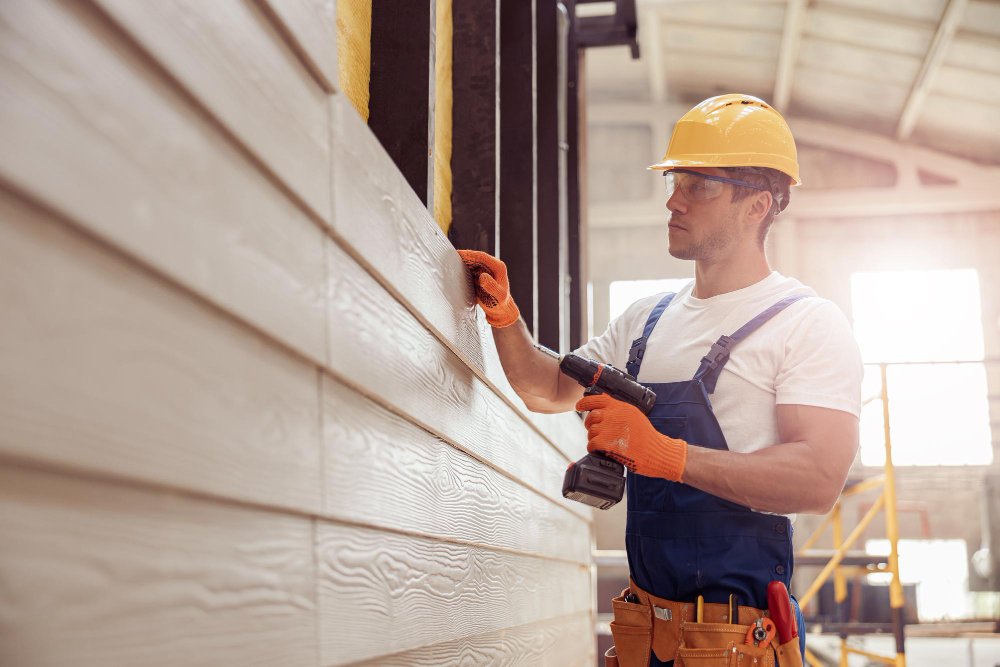
Your home’s siding does much more than define its appearance. It protects the structure from rain, wind, moisture, and temperature changes while contributing to energy efficiency and long-term durability. As siding ages, it may begin to lose both its protective performance and visual appeal, making siding remodeling a worthwhile investment for many homeowners.
Whether you’re planning a complete exterior siding renovation or simply exploring your options, it’s normal to have questions. Which material lasts the longest? How do you know it’s time for replacement? Will new siding improve energy efficiency? And how does house siding cost vary between projects?
This FAQ answers the questions homeowners ask most often before beginning an exterior remodeling project.
What Is Siding Remodeling?
Siding remodeling is the process of upgrading or replacing the exterior cladding of a home to improve its protection, appearance, and overall performance. Depending on the condition of the existing exterior, the project may involve removing old siding, repairing damaged wall components, installing a weather-resistant barrier, improving insulation, and adding new siding materials.
Some homeowners remodel their siding because of visible deterioration, while others choose to modernize the home’s appearance or improve long-term energy performance.
A siding remodeling project may include:
- Replacing worn or damaged siding panels.
- Repairing moisture-related structural damage.
- Installing new weather-resistant barriers.
- Improving exterior insulation.
- Updating trim, soffits, fascia, and exterior accents.
- Refreshing the home’s architectural style.
Rather than treating siding as a cosmetic upgrade alone, many homeowners view it as an opportunity to improve the entire building envelope.
Quick Summary
- Improves curb appeal.
- Protects the home’s structure.
- Supports better energy performance.
- Reduces future maintenance.
- Extends the life of the exterior.
When Is It Time for an Exterior Siding Renovation?
Every siding material has a different service life, but none lasts forever. Weather exposure, moisture, ultraviolet rays, and seasonal temperature changes gradually affect the exterior, even when quality materials have been installed.
Waiting too long to replace deteriorating siding can allow water to reach the underlying wall assembly, leading to repairs that are far more expensive than replacing the siding itself.
Common warning signs include:
- Cracked, warped, or loose siding panels.
- Peeling paint or fading that cannot be restored.
- Visible mold, mildew, or algae growth.
- Soft areas caused by moisture damage.
- Higher heating or cooling bills without another explanation.
- Frequent repainting or recurring repairs.
Not every issue requires a full replacement. Localized storm damage or isolated repairs may be sufficient if the remaining siding is still in good condition. However, widespread deterioration or repeated maintenance often indicates that a complete exterior siding renovation is the more practical long-term solution.
Quick Summary
If repairs become increasingly frequent or moisture damage begins affecting the wall beneath the siding, replacement is often more cost-effective than continuing to patch aging materials.
Which Siding Material Is Best?
There is no universal “best” siding material. The ideal choice depends on your climate, maintenance expectations, budget, architectural style, and long-term goals.
Each material offers a different balance of durability, appearance, and upkeep.
Vinyl siding remains one of the most popular choices because it offers low maintenance, a wide selection of colors, and good overall value.
Fiber cement siding is valued for its durability, dimensional stability, and ability to replicate the appearance of painted wood. It performs well in a variety of climates and resists many of the issues that affect traditional wood siding.
Engineered wood siding combines the natural appearance of wood with enhanced resistance to moisture and insects when properly manufactured and installed.
Composite siding continues to gain popularity because it offers durability with relatively low maintenance while providing a range of modern design options.
Natural wood siding delivers timeless beauty and authentic character, but it typically requires more regular maintenance to preserve its appearance and protect it from weather exposure.
When comparing materials, homeowners should consider:
- Expected maintenance requirements.
- Performance in the local climate.
- Resistance to moisture and impact.
- Available colors and textures.
- Installation requirements.
- Long-term ownership costs.
Quick Summary
The best siding material is the one that balances durability, appearance, maintenance, and budget while meeting the specific needs of your home and regional climate—not simply the least expensive or most popular option.
How Much Does House Siding Cost?
One of the first questions homeowners ask is about house siding cost. While it’s natural to focus on the price of siding materials, the total investment depends on much more than the product itself.
Every home is different, and contractors evaluate several factors before preparing an estimate.
Project costs are commonly influenced by:
- The size and layout of the home.
- The type of siding material selected.
- The condition of the existing exterior walls.
- Removal and disposal of old siding.
- Insulation or weather barrier upgrades.
- Trim, soffits, fascia, and architectural details.
- Local labor costs and permitting requirements.
Rather than comparing estimates based solely on the lowest price, homeowners should review what each proposal includes. Two projects with similar material costs may differ significantly if one includes insulation improvements, moisture protection, or premium finishing details.
Quick Summary
House siding cost depends on the overall scope of work, not just the siding panels. A detailed estimate provides a clearer picture of the project’s long-term value.
Does New Siding Improve Energy Efficiency?
Yes—when installed as part of a complete exterior wall system, new siding can contribute to improved energy efficiency. While siding alone is not insulation, a remodeling project often includes components that help reduce unwanted air movement and improve thermal performance.
During a siding replacement, contractors may also install:
- Weather-resistant barriers.
- Continuous exterior insulation.
- Improved flashing around windows and doors.
- Air-sealing measures.
- Updated moisture management systems.
These improvements help create a more consistent indoor environment while reducing strain on heating and cooling systems.
Quick Summary
Modern siding systems improve comfort when they are combined with proper insulation, moisture control, and professional installation.
Which Colors Increase Curb Appeal?
Color selection plays a major role in the success of a siding remodeling project. Neutral palettes continue to be popular because they complement a wide range of architectural styles and remain attractive as design trends evolve.
Many homeowners choose:
- Warm whites for timeless appeal.
- Soft gray tones for a contemporary appearance.
- Earth-inspired colors that blend naturally with landscaping.
- Deep charcoal accents for doors, shutters, or window frames.
- Natural wood elements that add warmth and texture.
Instead of following short-lived color trends, many designers recommend selecting a palette that coordinates with permanent features such as roofing, stone veneer, brick, and surrounding hardscape.
Should You Replace Windows and Siding Together?
Many homeowners schedule both projects at the same time because the installation processes are closely related. Replacing windows during an exterior siding renovation allows contractors to install flashing and weatherproofing more efficiently while creating a seamless exterior finish.
Completing both improvements together can also:
- Reduce future labor costs.
- Improve moisture protection.
- Create a more consistent exterior appearance.
- Simplify construction scheduling.
If existing windows are nearing the end of their service life, combining both projects often provides better long-term value than completing them separately.
What Mistakes Should Homeowners Avoid?
Most siding projects are successful when homeowners plan carefully and work with qualified professionals. Many of the most expensive problems result from decisions made before installation even begins.
Common mistakes include:
- Choosing siding based only on initial price.
- Ignoring local climate conditions.
- Skipping insulation or moisture barrier upgrades.
- Selecting colors without viewing outdoor samples.
- Hiring contractors without verifying experience or references.
- Overlooking trim and architectural finishing details.
Quick Summary
Quality installation is just as important as selecting quality siding materials. Proper preparation helps maximize durability, appearance, and long-term performance.
How Long Does a Siding Remodeling Project Take?
Every project follows its own schedule depending on the home’s size, complexity, weather conditions, and the scope of work involved.
Most projects include several stages:
- Initial inspection and measurements.
- Material selection and project planning.
- Removal of existing siding.
- Repair of damaged wall components, if necessary.
- Installation of moisture barriers and insulation.
- Installation of new siding and finishing details.
- Final inspection and cleanup.
Experienced contractors coordinate these phases carefully to minimize disruption while maintaining installation quality.
How Do You Choose the Right Contractor?
Selecting the right contractor is one of the most important decisions in any siding remodeling project. A well-installed siding system performs better, lasts longer, and requires fewer repairs over its lifetime.
Before hiring a contractor, homeowners should ask about:
- Licensing and insurance.
- Experience with the chosen siding material.
- Recent project references.
- Manufacturer certifications.
- Written estimates with detailed project scopes.
- Workmanship and product warranties.
Taking time to compare qualified professionals helps ensure the finished project delivers lasting protection and value.
Siding remodeling is one of the most effective ways to improve a home’s appearance, durability, and overall performance. Whether you’re planning a complete exterior siding renovation or researching house siding cost , understanding your options allows you to make informed decisions that benefit your home for years to come.
By selecting quality materials, coordinating colors carefully, improving insulation where appropriate, and working with experienced professionals, homeowners can create an exterior that delivers lasting curb appeal, stronger weather protection, greater energy efficiency, and increased long-term property value.