
Some exterior trends appear almost overnight and disappear just as quickly. Others quietly remain, becoming so deeply woven into residential architecture that they never truly feel fashionable—they simply feel right. Dutch lap siding belongs to that second category.
Walk through a historic neighborhood, a thoughtfully designed suburban community, or a newly built modern farmhouse, and you’ll likely notice the same distinctive horizontal profile creating elegant shadow lines across beautifully finished façades. It doesn’t compete for attention through bold ornamentation or dramatic textures. Instead, it relies on subtle proportions that continue to look refined decade after decade.
Design professionals understand that timeless architecture is rarely accidental. Every reveal, every line, and every transition between light and shadow contributes to how a home is perceived. Dutch lap siding succeeds because it introduces depth without excess, allowing the architecture itself to remain the focal point.
“The most remarkable homes never chase trends—they quietly outlast them.”
In an era where exterior design often swings between minimalism and bold experimentation, Dutch lap siding continues proving that genuine sophistication comes from proportion, craftsmanship, and restraint rather than constantly changing styles. It is one of the rare exterior details capable of making both a century-old home and a contemporary residence feel equally authentic.
Architectural styles naturally evolve, but thoughtfully proportioned exterior details continue defining the homes people admire decades after construction. Dutch lap siding remains one of those enduring design choices.
More Than Just Another Siding Profile
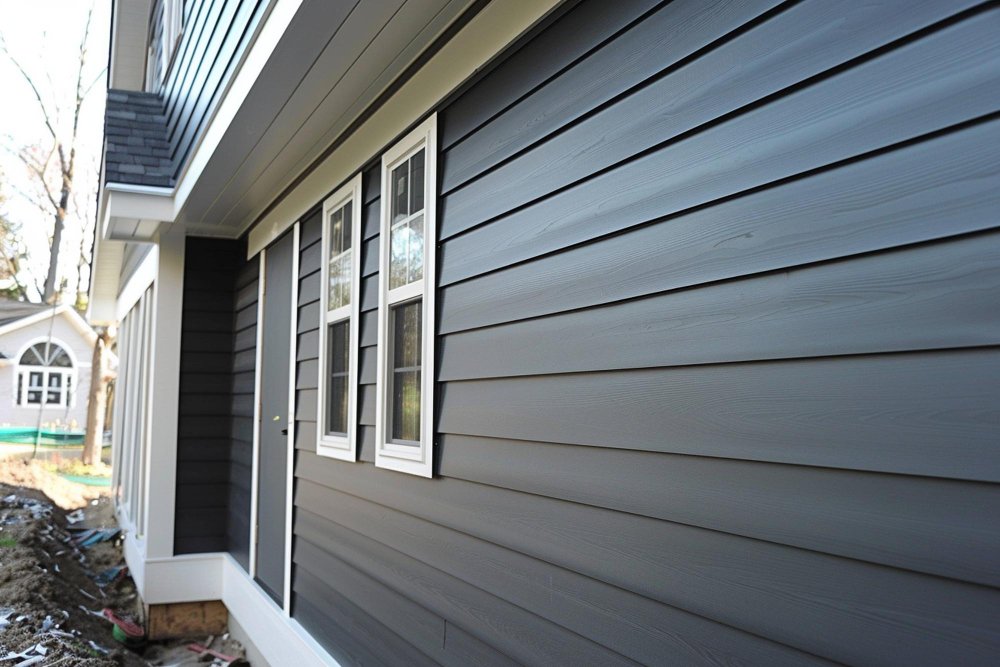
At first glance, Dutch lap siding may appear similar to traditional horizontal siding. Yet a closer inspection reveals the subtle characteristic that has distinguished it for generations—a gracefully curved notch along the upper edge of each board or panel. This seemingly modest detail creates deeper shadow lines that change throughout the day as sunlight moves across the home’s exterior.
That interaction between light and shadow is precisely what gives Dutch lap siding its remarkable visual richness. Instead of presenting a flat surface, the profile creates movement across the façade, allowing the architecture to feel more layered, balanced, and inviting without relying on elaborate decorative elements.
Historically, variations of this profile became popular because they offered practical weather protection while introducing greater visual refinement than simple clapboard siding. Today, advances in manufacturing have expanded its possibilities without changing the profile that made it recognizable in the first place.
Homeowners can now choose Dutch lap siding in several premium materials, each offering its own advantages while preserving the signature appearance:
- Vinyl for homeowners seeking low-maintenance convenience.
- Fiber cement for exceptional durability and fire resistance.
- Engineered wood for warmth combined with modern performance.
- Natural wood for traditional craftsmanship and timeless authenticity.
Perhaps this versatility explains why Dutch lap siding adapts so comfortably across architectural styles. On Colonial homes it reinforces symmetry and tradition. On Craftsman residences it complements detailed trim and natural materials. On modern farmhouse designs it provides texture without competing against clean rooflines and expansive windows.
Great exterior design rarely depends on a single dramatic feature. Instead, it emerges from dozens of carefully balanced details working together so naturally that the finished home feels effortless.
Dutch lap siding demonstrates how a subtle profile change can dramatically influence the visual character of an entire home. The deeper shadow lines create dimension that remains noticeable long after color trends have changed.
Equally important is the profile’s ability to complement surrounding architectural elements. Stone veneers appear richer when paired with its layered texture. White trim feels crisper against the pronounced horizontal lines. Even landscaping seems more intentional because the siding provides a refined backdrop rather than competing with the home’s other design features.
In many respects, Dutch lap siding represents one of architecture’s oldest lessons: the smallest design decisions often leave the most lasting impression.
Why Designers Continue Choosing Dutch Lap Siding
Spend enough time studying thoughtfully designed homes and a pattern begins to emerge. While paint colors evolve and trim details shift with each generation, certain architectural elements continue appearing in projects that feel timeless rather than trendy. Dutch lap siding is one of those enduring choices.
Designers appreciate it because it contributes depth without demanding attention. The profile introduces rhythm across the façade, allowing changing sunlight to create subtle variations throughout the day. Morning light emphasizes crisp horizontal lines, while late afternoon shadows add richness that flat siding profiles often struggle to achieve.
“Good design attracts attention. Great design earns admiration for generations.”
Color trends may shift from warm neutrals to dramatic charcoal palettes or soft coastal whites, yet Dutch lap siding adapts effortlessly because its appeal comes from geometry rather than fashion. Whether finished in crisp white, deep navy, earthy sage, or sophisticated graphite, the profile continues adding architectural interest without overwhelming the home’s overall composition.
This flexibility explains why Dutch lap siding appears on such a diverse range of residences. On modern farmhouse designs it reinforces clean lines while adding warmth. On Craftsman homes it complements exposed beams, stone columns, and substantial trim. Colonial architecture benefits from its orderly proportions, while transitional homes use the profile to bridge traditional craftsmanship with contemporary simplicity.
Today’s most successful exterior renovations rarely depend on a single material. Designers increasingly combine Dutch lap siding with stone veneer, brick accents, natural wood details, and modern windows to create layered façades that feel balanced rather than overdesigned.
Material selection further expands its possibilities. Premium vinyl products appeal to homeowners seeking low-maintenance living, while fiber cement offers exceptional durability in demanding climates. Engineered wood delivers a refined wood-grain appearance with enhanced resistance to weather, and natural wood continues attracting those who appreciate authentic craftsmanship despite the additional maintenance it requires.
Perhaps the greatest misconception surrounding Dutch lap siding is that its beauty exists independently of installation quality. In reality, carefully aligned courses, precise corner details, proper flashing, and meticulous trim work are what allow the profile to perform both visually and structurally. Like every premium exterior material, its success depends as much on craftsmanship as on manufacturing.
The shadow lines that make Dutch lap siding so distinctive only achieve their full visual impact when the installation is precise. Consistent alignment and thoughtful detailing elevate the entire exterior.
The Exterior That Ages Gracefully
One of the most revealing tests of any architectural decision is time. Five years after construction, does the home still feel current? Ten years later, does the design continue feeling intentional rather than dated? Twenty years later, has it retained its identity despite changing trends?
Few exterior profiles answer those questions as confidently as Dutch lap siding.
Its enduring popularity comes from balance. It introduces enough texture to enrich the façade without relying on exaggerated ornamentation. It feels traditional without becoming nostalgic, contemporary without appearing temporary. That rare versatility allows homeowners to refresh paint colors, landscaping, lighting, and architectural accents over time while preserving the exterior’s underlying character.
Quality materials further reinforce that longevity. Whether homeowners select vinyl for ease of maintenance, fiber cement for resilience, engineered wood for authentic texture, or natural wood for timeless craftsmanship, thoughtful installation and regular care allow Dutch lap siding to maintain its architectural presence for decades.
The best siding choices are rarely determined by today’s trends. They’re selected because they’ll still complement the home’s architecture twenty years from now.
Resale value often reflects this timelessness. Buyers are naturally drawn to homes that feel established rather than fashionable, where exterior materials appear cohesive and thoughtfully chosen instead of driven by short-lived design movements. Dutch lap siding consistently supports that perception by creating façades that feel welcoming, balanced, and enduring.
Ultimately, Dutch lap siding remains one of the rare exterior profiles capable of connecting historic craftsmanship with modern architecture. It demonstrates that exceptional design does not require dramatic reinvention. Sometimes the most memorable homes are simply those that understand proportion, embrace quality, and allow timeless details to speak quietly for themselves.